


Steering & Suspension System
Suspension Inspection
A thorough suspension inspection helps identify worn or damaged components before they affect vehicle safety and handling.
Our technicians inspect:
-
Shocks & struts
-
Ball joints
-
Tie rods
-
Control arms
-
Sway bar links
-
Bushings and suspension hardware
Routine inspections help improve ride quality and prevent costly repairs.
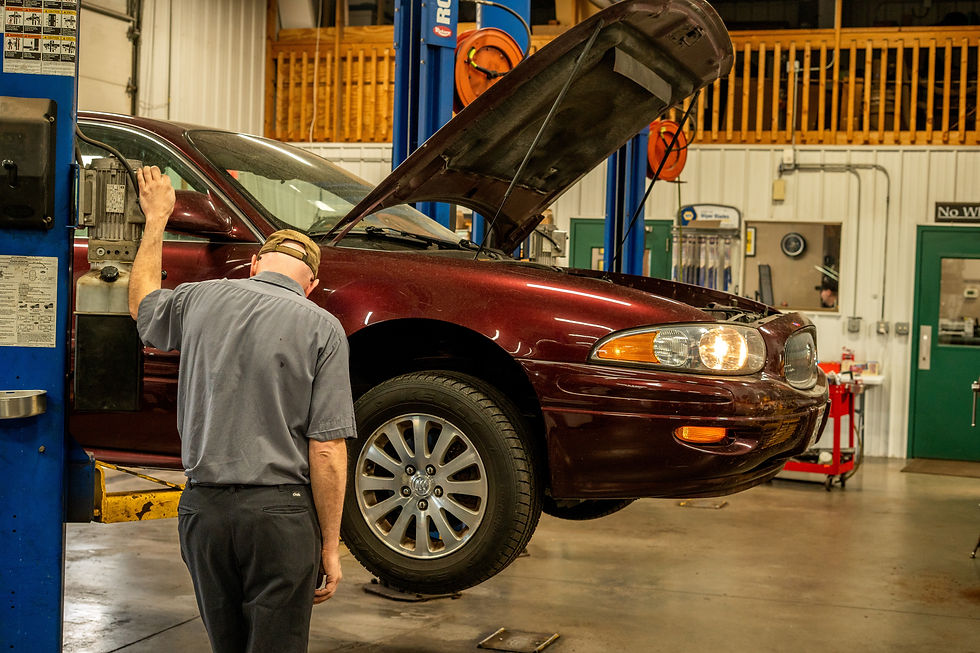
Ball Joint Replacement
Ball joints connect your steering knuckles to the suspension system and allow smooth steering and suspension movement. As they wear, handling and tire wear can be affected.
Signs of Worn Ball Joints:
-
Clunking noises over bumps
-
Loose steering
-
Uneven tire wear
-
Vehicle wandering while driving
-
Suspension vibration
Replacing worn ball joints helps restore safe steering and suspension performance.

Inner Tie Rod & Outer Tie Rod Replacement
Tie rods connect the steering system to your wheels and help maintain proper alignment and steering control. Worn tie rods can lead to loose steering and uneven tire wear.
Common Symptoms:
-
Steering wheel play
-
Vehicle pulling left or right
-
Uneven tire wear
-
Steering vibration
-
Alignment issues
Prompt tie rod replacement helps improve steering response and vehicle control.

Struts Replacement
Struts help absorb road impacts while supporting vehicle stability and handling. Worn struts can reduce ride comfort and affect braking performance.
Signs You May Need New Struts:
-
Excessive bouncing
-
Nose-diving while braking
-
Uneven tire wear
-
Rough ride quality
-
Fluid leaking from struts
Replacing worn struts helps restore ride comfort and vehicle stability.

Sway Bar Link Replacement
Sway bar links help reduce body roll and improve cornering stability. When they wear out, you may notice rattling noises and reduced handling performance.
Signs of Bad Sway Bar Links:
-
Clunking over bumps
-
Rattling noises
-
Excessive body roll
-
Loose handling feel
Replacing worn sway bar links helps maintain vehicle stability and ride quality.

Frequently Asked Questions
Common signs of suspension issues include a rough ride, excessive bouncing, uneven tire wear, steering instability, clunking noises, and poor vehicle handling. A suspension inspection can identify worn or damaged components before they affect safety.
Worn ball joints and tie rods can cause steering looseness, uneven tire wear, vehicle wandering, clunking noises, and poor alignment. Replacing damaged steering components helps restore safe handling and control.
Struts and shocks should be inspected if you notice excessive bouncing, nose-diving while braking, poor ride quality, fluid leaks, or reduced vehicle stability. Replacing worn suspension components improves comfort, handling, and tire life.
